Charity activities are taken place around the world.
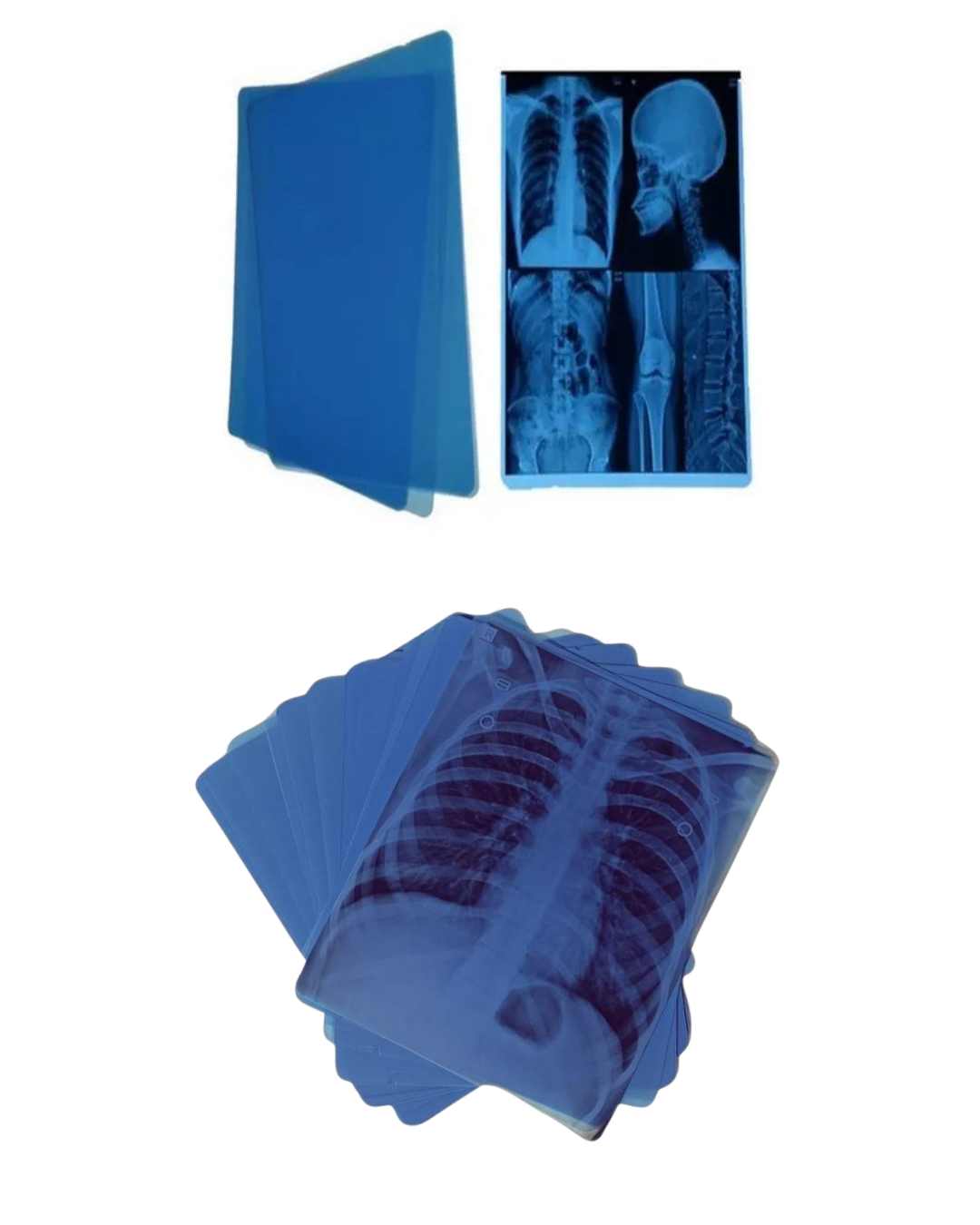
X-Ray Film
0 out of 5 based on 0 customer ratings
X-ray films are an essential component in traditional medical and industrial radiography. First developed after Wilhelm Conrad Röntgen’s discovery of X-rays in 1895, these films have evolved from glass photographic plates to advanced polyester-based films introduced by George Eastman in 1918. They remain widely used today for diagnostic imaging and industrial applications.
Features & Specifications:
Base: Transparent polyester support (~0.25 mm thick)
Emulsion: Contains light-sensitive silver halide crystals (mainly silver bromide) in a gelatin matrix to capture the latent image
Protective Layer: Thin gelatin coat to prevent scratches or damage
Substratum: Adhesive layer binding the emulsion to the base
Film Sensitivity (Speed): Available in different speeds for reduced exposure and enhanced patient safety
Types:
Screen Type Film: For use with intensifying screens
Direct Exposure Type Film: Used in dental and other direct applications